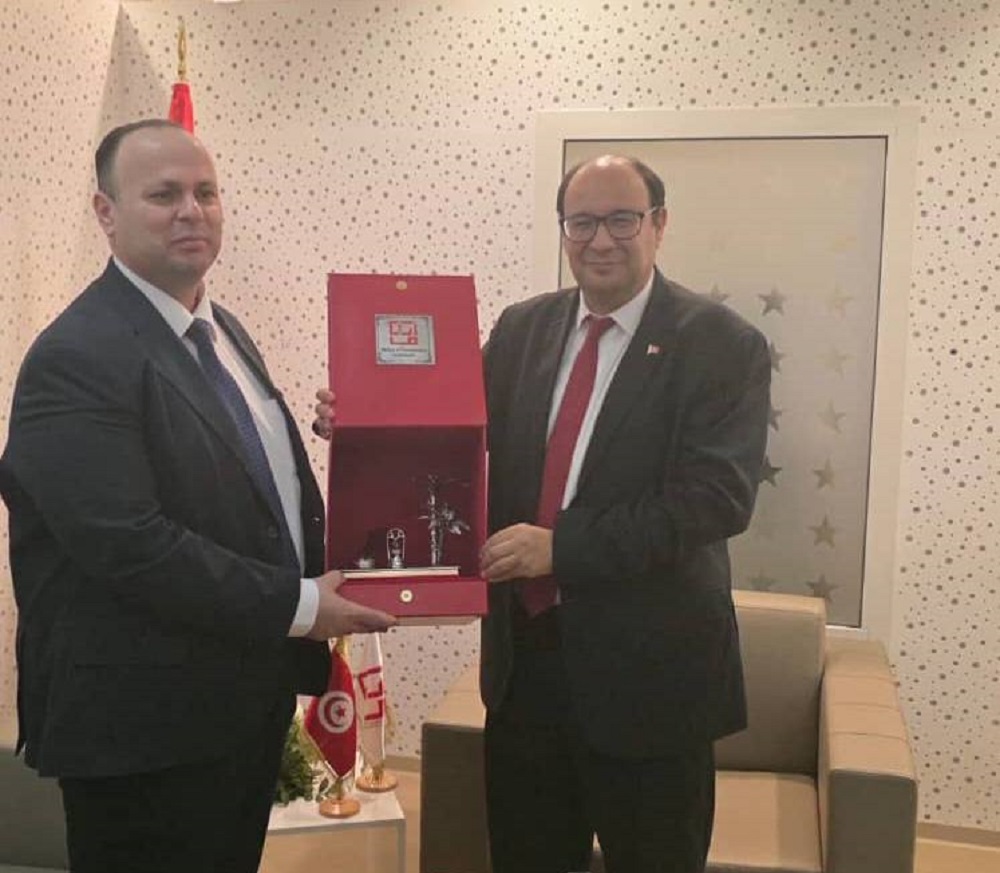
Tunis— Libya and Tunisia have embarked on strengthening cooperation in digital and technological bilateral cooperation in the communication and information technology sectors of both countries.
Such cooperation was the focus of a meeting in Tunis, Tunisia between the Libyan Chairman of the General Authority for Communications and Information Technology (GACIT), Mr. Abdulbaset Albaour and the Tunisian Minister of Communication Technologies, Mr. Sofiene Hemissi, on the sides of the “AI Forward Summit 2025” held in Tunis on 2-3 December 2025.
Both officials addressed ways and means to “improve the shared communications infrastructure, particularly regarding the development of interconnection systems and the standardization of technical specifications to ensure the smooth exchange of data, improve service quality, and enhance operational reliability,” according a statement by the GACIT.
The “AI Forward Summit 2025” concluded with the adoption of the “Tunis Declaration” on the occasion of the twentieth anniversary of the World Summit on the Information Society (WSIS+20).
They also discussed the exchanging of expertise and specialized personnel in the fields of artificial intelligence and digital transformation, contributing to building advanced national capabilities and developing innovative, value-added technological solutions, the GACIT said.
With regard to cybersecurity, they emphasized the importance of intensifying joint coordination to counter cyber threats and enhance the protection of critical infrastructure through effective mechanisms to address potential digital risks.
Libya and Tunisia are two neighboring Arab countries located in North Africa and have very strong economic, social and cultural ties.
Both Mr. Albaour and Mr. Hemissi emphasized the need to strengthen coordination in digital policies and international positions, which would enable the two countries to provide unified view of their strategic priorities within regional and international forums, particularly in the United Nations and the International Telecommunication Union.
The meeting concluded with both sides reaffirming their commitment to supporting digital integration between Libya and Tunisia, thereby enhancing their standing in the regional digital transformation landscape.
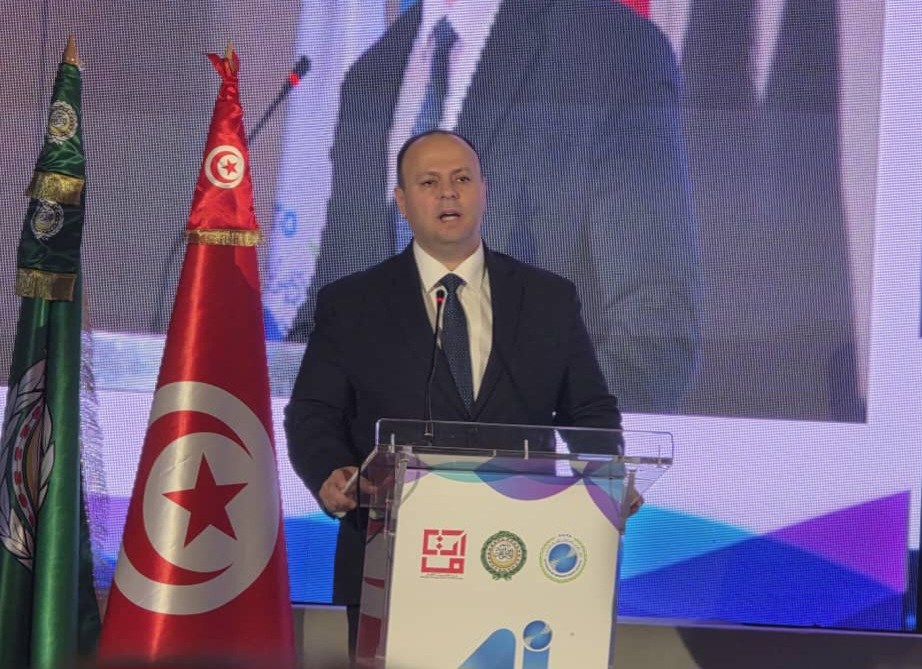
The Summit’s declaration reaffirmed the international community’s commitment to harnessing information and communication technologies, particularly artificial intelligence, in support of sustainable development and the promotion of global digital equity.
During the High-Level Ministerial Session on WSIS+20, ministers and senior officials reiterated their dedication to advancing inclusive and sustainable digital development and to establishing a clear vision for the transition from an Information Society to an Intelligence Society.
Participants commended the achievements made over the past two decades under the WSIS framework, while also highlighting the persistence of the digital divide, with 2.6 billion people still unconnected. This reality underscores the need to intensify global efforts to accelerate digital inclusion.
The meeting also welcomed regional initiatives led by Tunisia, in cooperation with the International Telecommunication Union and the Arab Organization for Information and Communication Technologies. This includes the establishment of an annual regional initiative titled “From Information Society to Intelligent/Smart Society”; and the creation of a regional repository of emerging technology initiatives, projects, and good practices in the Arab region, using the WSIS Stocktaking database structure.
Participants in the “AI Forward Summit 2025” further renewed their commitment to promoting a human-centric digital transformation, developing responsible and ethical AI systems, and strengthening international cooperation to ensure that the benefits of digital transformation reach everyone, without exception, according to the Summit’s Facebook platform.